Skuas are the pirates and hunters of the seabird world, heavy, powerful birds with hooked bills and a fearless attitude. The great skua pictured, known in Scotland as the bonxie, is 20-23 inches (50-58 cm) long with a wingspan of 4-4.6 feet (1.2-1.4 m) and weighs 2.6-3.7 lbs (1.2-1.7 kg). It is dark brown with white flashes in the wings that show in flight.
The family has seven species: the great, brown, south polar and Chilean skuas, and three smaller, more elegant species called jaegers in North America, the pomarine, parasitic and long-tailed jaegers, which have long central tail feathers.
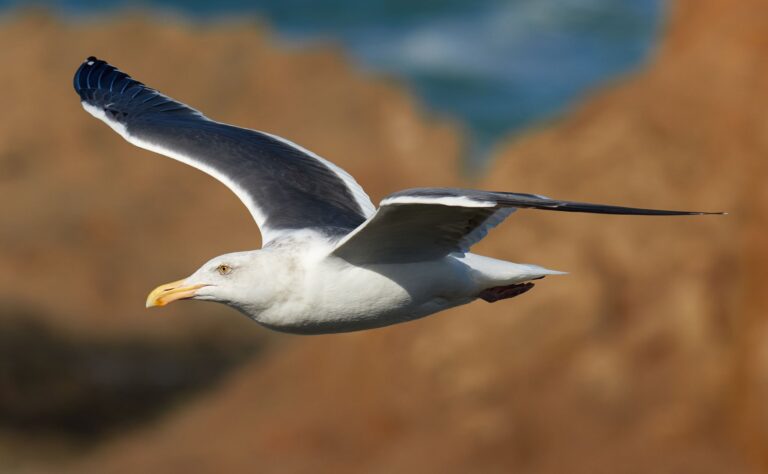
Skuas look like big dark gulls but are stronger fliers, built for chasing and fighting.
Skuas breed at the ends of the Earth: on Arctic tundra, Scottish and Icelandic moorland, and the coasts and islands of Antarctica. The south polar skua has been recorded at the South Pole itself, further south than any other bird.
Outside the breeding season they live at sea, and the jaegers migrate between the Arctic and the southern oceans.
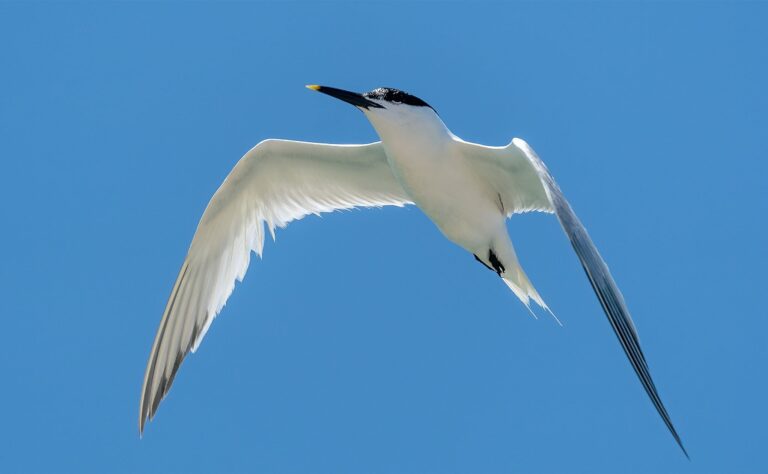
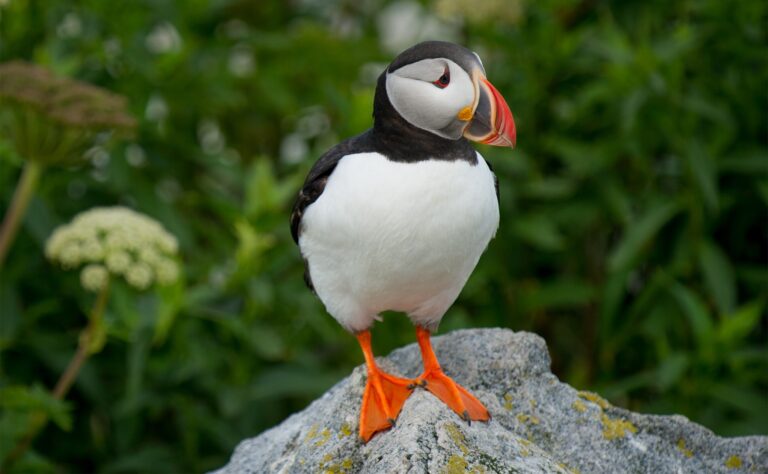
Skuas steal much of their food, chasing gulls, terns, puffins and gannets until they drop or disgorge their catch. They also kill other seabirds, raid colonies for eggs and chicks, catch fish, eat lemmings and other small mammals on the tundra, and scavenge carcasses and fishing discards. A great skua will drown a puffin or tear a kittiwake out of the air.
Skuas defend their nests with real force, dive-bombing anything that comes close, including people, and striking with their feet. Pairs hold territories on the breeding grounds and often return to the same mate and site for many years.
They lay two eggs in a scrape on the ground and feed the chicks on whatever they can catch or steal.
The skua family Stercorariidae has seven species, all listed by the IUCN as Least Concern. The great skua has a small world population centred on Scotland, Iceland, the Faroes and Norway, and lost a large share of its birds to avian flu in 2022 and 2023, so its status is being watched closely.